The Initial Discovery: A Strange Debris Field
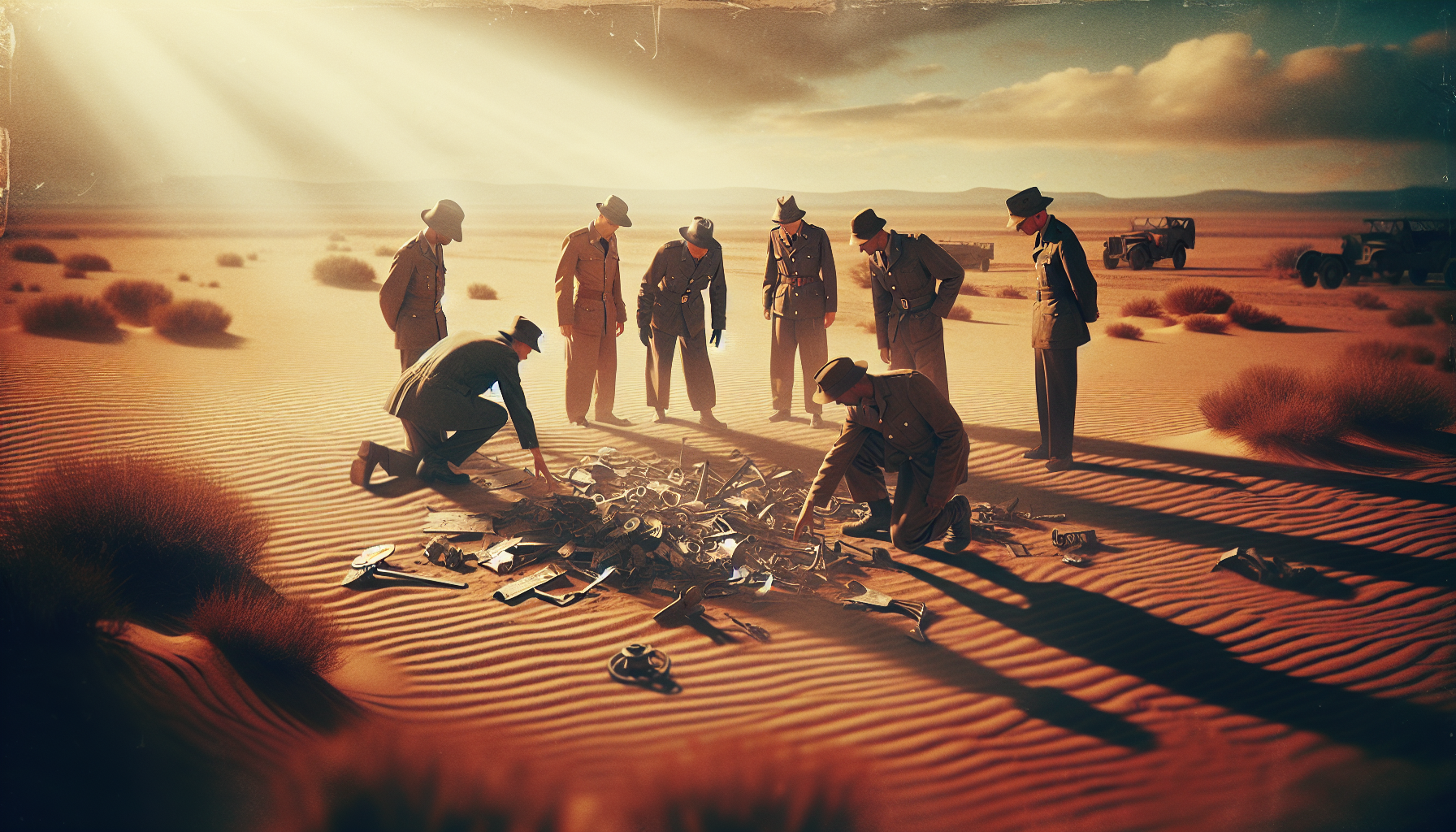
The Roswell Incident began on July 8, 1947, when a rancher named W.W. "Mack" Brazel discovered unusual debris on his property near Roswell, New Mexico. Brazel described the debris as unlike anything he had seen before, with materials that appeared to be metallic and possessed strangely lightweight and tough characteristics. His discovery soon caught the attention of the Roswell Army Air Field (RAAF), which dispatched Major Jesse Marcel, an intelligence officer, to investigate the scene.
Initial reports in local media fueled the mystery. The Roswell Daily Record headline boldly proclaimed the military's capture of a 'flying disc', capturing the imaginations of many. The military's subsequent retraction, claiming the debris was merely a downed weather balloon from a top-secret atomic test surveillance project known as Project Mogul, only added to the intrigue and skepticism.
Changing Stories: The Military's Role
The swift change in the military's position raised eyebrows and led to widespread speculation about the true nature of the find. Major Jesse Marcel, who had firsthand experience with the debris, would later speak out, claiming that the material was not consistent with any known aircraft or weather balloon. His statements bolstered the belief that the military was concealing the discovery of extraterrestrial technology.
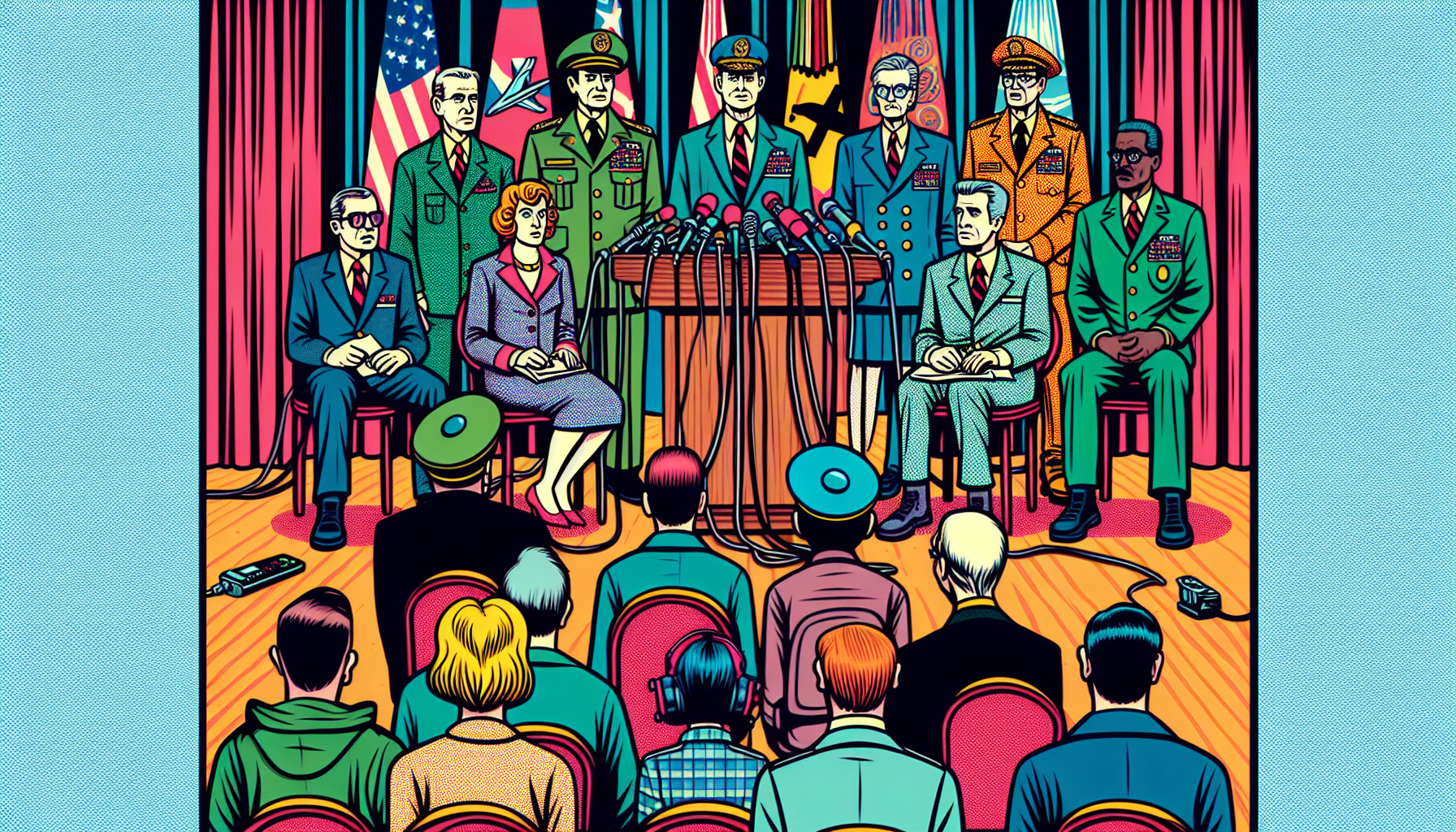
Lieutenant General Roger M. Ramey, of the Eighth Air Force, played a key role in managing the public narrative, insisting during a press conference that the materials were from a weather balloon. His authority and the official statement attempted to quell public curiosity, but contradictions and inconsistencies in the storyline only heightened public interest and suspicion.
Eyewitness Accounts: The Heart of the Mystery
Eyewitness testimonies have been both intriguing and polarizing. Glenn Dennis, a local mortician, claimed that he received unusual requests from the military for child-sized coffins and that a nurse friend of his described seeing alien bodies at the base hospital. Though Dennis' account has been both supported and questioned, it remains one of the more detailed and controversial personal testimonies.
Numerous residents of Roswell also reported unusual aerial phenomena and strange occurrences around the time of the crash, adding layers to the collective account. Rancher Brazel himself became a reluctant figure in the burgeoning lore, with his reticence adding to the mystique. His initial interviews and later reticence were seen by many as indicative of outside pressure or influence.
Official Investigations: The Reports That Tried to Close the Case
In response to enduring public fascination and demand for transparency, the United States Air Force published two comprehensive reports: "The Roswell Report: Fact vs. Fiction in the New Mexico Desert" (1995) and "The Roswell Report: Case Closed" (1997). These documents aimed to provide a definitive account based on all available military records, dismissing the allegations of a cover-up and reaffirming the weather balloon explanation with greater detail.
The reports, however, did little to satisfy those convinced of a conspiracy. Critics argued that the timing of both reports coincided too conveniently with increased media interest in declassified government documents, suggesting that they might themselves be part of the obfuscation tactics.
Scientific Scrutiny and Debris Analysis
Scientific analysis of the debris has been limited by the absence of the original materials. However, reported descriptions have included elements not typical of known technology at the time, such as purported memory metal that could return to its original shape after being distorted. Though fascinating, these claims have lacked the material verification that might sway scientific consensus toward an extraterrestrial conclusion.
Prominent figures in ufology have supported the hypothesis of alien involvement, citing the material descriptions as indicators of advanced technology. Among them was Stanton Friedman, a nuclear physicist and leading proponent of the alien hypothesis, who devoted decades to investigating and speaking about the Roswell Incident.
Cultural Impact: Roswell in the Public Imagination
The Roswell Incident has evolved into a cultural phenomenon, inspiring countless books, documentaries, and fictional portrayals in film and television. The city's annual UFO Festival draws thousands of visitors from around the world, eager to explore the site and immerse themselves in the enduring mystery.
This event has also greatly influenced the broader field of ufology, serving as a pivotal case study that sparked both public interest and scientific inquiry into unidentified aerial phenomena (UAPs). Moreover, Roswell symbolizes a key moment in post-war American culture, reflecting the era's fears of technological advancements and Cold War espionage.
Conclusion: An Enduring Enigma
Seventy-six years after the Roswell Incident, the debate continues to captivate and divide. Allegations of government cover-up, coupled with witness testimonies and incomplete evidence, make it a tantalizing puzzle for enthusiasts and skeptics alike. Despite the passage of time and numerous investigations, the Roswell story remains a testament to humanity's enduring curiosity about the unknown and the possibility of life beyond our planet.
As we continue to probe this historical enigma, Roswell reminds us not only of the mysteries of the universe but of our own desire to uncover and understand them.